Artificial Intelligence, Programming
Click Automation Guide: Streamlining Your Ads
Did you know that click automation can boost your ad engagement by up to 50%? Join me on an exciting journey into the world of click automation – a game-changing…
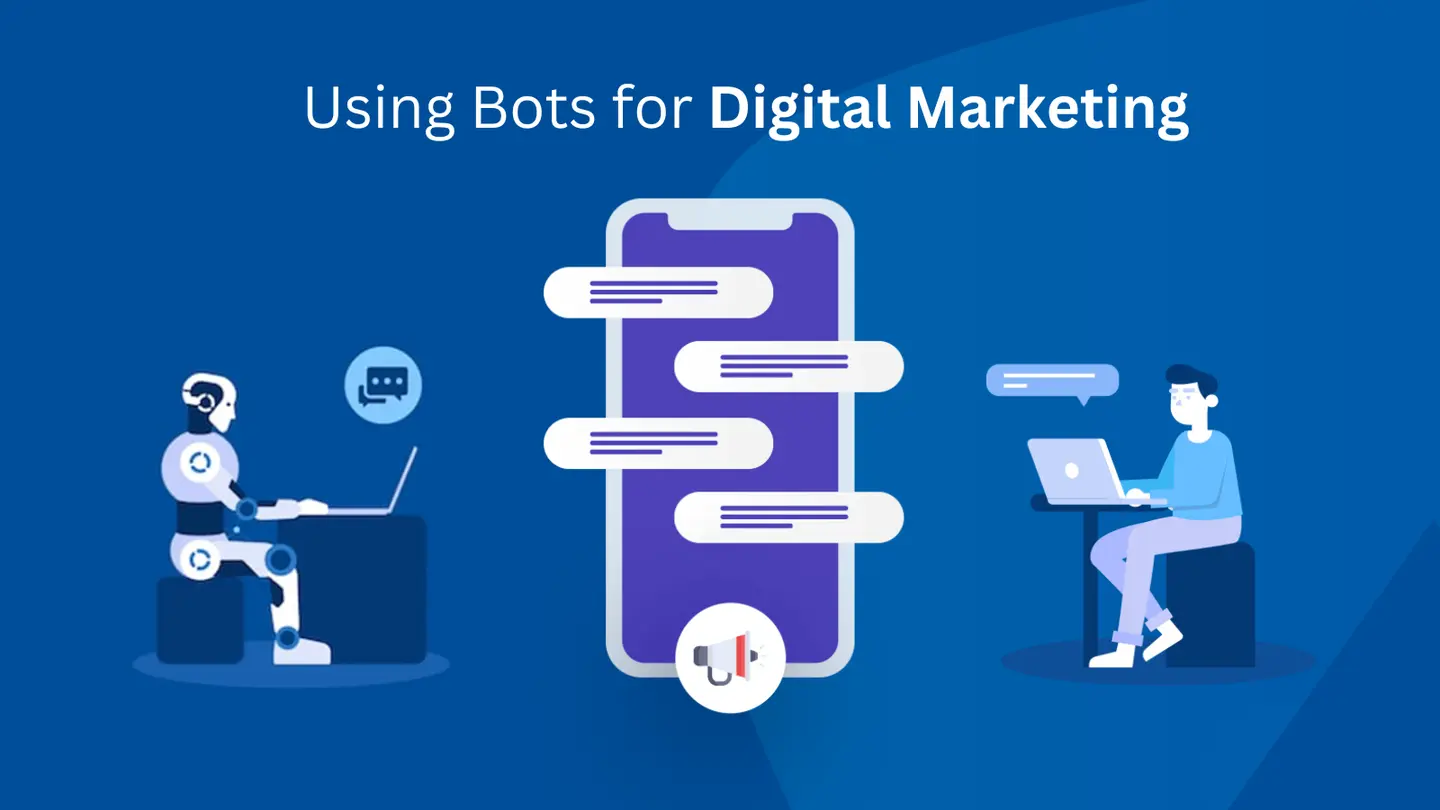
Imagine a digital assistant that never sleeps, tirelessly engaging with customers, answering their queries, and seamlessly driving conversions around the clock. Picture a virtual companion dedicated to enhancing customer experiences and elevating marketing efforts, all within the dynamic realm of digital marketing.
As someone who passionately supports using innovative solutions to create exceptional customer experiences and enhance marketing strategies, I couldn’t help but be intrigued by the transformative potential of using bots for digital marketing.
Their promise to revolutionize the very fabric of how businesses engage with their audience was simply too compelling to ignore.
From serving as responsive customer service agents to guiding users through personalized shopping experiences, bots are ushering in a new era of customer interaction and engagement.
Let’s delve into the ways these intelligent software applications are reshaping the landscape of digital marketing.
Have you ever wondered who’s behind those lightning-fast responses to your queries, no matter the time of day? Meet the digital dynamos – bots! Think of them as the superheroes of the digital marketing world, automating tasks and interactions with a human touch.
In the world of digital marketing, Bots are software applications designed to automate tasks and interactions. They’re like the multitasking assistants of the digital realm, capable of mimicking human behavior and communication.

Delving into the bot universe, you’ll find a diverse range of tech bots – from rule-based bots with their structured precision to AI-powered bots that exhibit near-human conversation skills.
My journey led me to explore both of them and a mix of these, each with its unique strengths.
Rule-based bots, acting as the reliable workhorses, follow predefined paths. They excel at routine queries and tasks, ensuring consistent responses.
As a digital marketer, I harnessed their prowess to enhance customer service by swiftly addressing common inquiries
A rule-based bot is ideal for scenarios where you need tasks like making restaurant reservations, offering customers the delivery timeframe and tracking code for their orders, or addressing straightforward queries.
Then, there’s the realm of AI-powered bots, where technology meets artistry. These bots boast natural language processing (NLP) capabilities, enabling them to understand context, issues, and even humor.
With their dynamic conversational skills, customers engage in interactions that feel remarkably human-like. This fusion of technology and empathy elevates customer experiences, forging stronger connections.
They can address everything from product details to FAQs. For instance, imagine a website offering various services or products. An AI chatbot can handle inquiries about different offerings, provide information on pricing, availability, and features, and even assist in making purchasing decisions.
But why choose one over the other? Enter the hybrid bots – they bring together the best of both worlds – the reliability of rule-based responses and the adaptability of AI-powered interactions.
These bots strike a perfect balance, catering to a variety of situations. It’s like having the precision of rules and the flexibility of AI combined seamlessly.
As I navigated this tech-rich landscape, I realized that the choice of bot type hinges on the specific goals of using bots for your digital marketing strategy.
Whether it’s rapid query resolution or immersive interactions, understanding and using bots for digital marketing is the key to unleashing their full potential.
Statistics underscore the significance of bots in shaping modern customer experiences.
A survey conducted by Salesforce reveals that 64% of consumers and 80% of business buyers expect companies to respond to and interact with them in real time.
According to Accenture, 77% of business leaders have already integrated conversational bots into their operations, while a significant 60% have intentions to do so in the future. These bots are primarily used for post-sales support and customer service.
According to Business Insider, the chatbot market is expected to experience substantial growth. From its valuation of $2.6 billion in 2019, it is projected to reach $9.4 billion by 2024. This remarkable expansion represents a compound annual growth rate (CAGR) of 29.7%.
These statistics point to an undeniable shift in customer expectations and the growing influence of automation by using bots for digital marketing.
Now let’s explore the potential of marketing bots and their capabilities in enhancing customer engagement and streamlining processes:
Lead generation in today’s competitive digital landscape can be a challenge, but bots hold the key to unlocking its potential. I discovered that bots are adept at capturing user information, qualifying leads, and even initiating follow-ups.
The results spoke volumes – higher conversion rates and more qualified leads that turn them into loyal customers.
Imagine a scenario where a potential customer visits your website at any hour of the day or night, and instead of encountering silence, they are greeted by a friendly and helpful bot ready to assist with their queries.
With bots, the promise of 24/7 availability and instant responses became a reality. This level of engagement not only enhances user satisfaction but also fosters brand loyalty and drives conversions.
This transformation is remarkable – queries are addressed promptly, issues are resolved efficiently, and customer satisfaction levels rise up.
Bots have the ability to analyze user preferences, browsing history, and purchase behavior. Armed with this data, they offer tailored recommendations and content, making customers feel seen and valued.
Through my experience, I saw engagement levels rise as customers resonated with the personalized touch.

In today’s fast-paced digital landscape, leveraging bots for marketing can provide a significant advantage in terms of efficiency, engagement, and customer satisfaction.
To harness the full potential of bots, I’ve developed a comprehensive strategy that covers various aspects of their implementation in digital marketing. Let’s dive into the details:
Clearly outline your goals for using bots in digital marketing. Are you aiming to improve customer support, drive conversions, enhance user engagement, or all of the above?
Choose the type of bot that aligns with your goals. Chatbots are ideal for real-time customer interactions, while AI-powered assistants can handle more complex tasks like personalized recommendations.
Conduct thorough audience research to understand their preferences, pain points, and communication habits. This information will help you tailor bot interactions to meet their needs effectively.
Then, pick a platform or tool that suits your bot requirements. Whether it’s integrating a chatbot on your website, using messaging apps, or social media platforms, choose a platform that aligns with your audience’s preferences.
Craft bot interactions that are seamless, user-friendly, and intuitive. Design the bot’s dialogue flow in a way that feels natural and engages users in meaningful conversations.
Leverage user data to personalize bot interactions. Collect and analyze data to offer tailored recommendations, product suggestions, and responses that resonate with individual users.
Integrate NLP capabilities to enable bots to understand and respond to natural language queries. This enhances user experience and makes interactions more conversational.
Use bots to deliver valuable content, such as blog posts, eBooks, or educational videos. This not only engages users but also positions your brand as an authoritative source of information.
Implement bots in lead generation campaigns by capturing user information and nurturing leads through automated follow-ups and personalized content.
Then, it’s imperative to seamlessly integrate your bots with CRM (Customer Relationship Management) and marketing automation tools.
These CRM tools offer seamless integration options, allowing your bots to collect valuable user data, track interactions, and provide personalized experiences. Some of the top CRM tools to consider incorporating with your bots include:
A widely used CRM platform that offers robust features for managing customer relationships, sales, and marketing campaigns.
Known for its comprehensive inbound marketing tools, HubSpot offers CRM functionalities along with marketing automation capabilities.
A versatile CRM system that provides sales automation, analytics, and multichannel communication.
A suite of business applications that includes CRM and ERP (Enterprise Resource Planning) tools for streamlined operations.
The journey of using bots for digital marketing doesn’t end with deployment; it’s an ongoing process of refinement and enhancement. To make the most of your bot strategy, it’s crucial to implement continuous monitoring and optimization practices that keep your interactions relevant and effective.
Here are a few examples of how to achieve this:
Analyze response times, engagement, and conversions regularly.
Gather insights from surveys, reviews, and messages.
Improve bot answers for accuracy and relevance.
Tailor interactions based on preferences and history.
Iterate strategy with gradual enhancements.
While bots are valuable, there should always be a clear path for users to reach a human agent when needed. Ensure that users can easily escalate to a live agent for complex queries or personalized assistance.
Inform your audience about the presence and capabilities of your bots. Educate them on how to interact with bots effectively and set realistic expectations for responses.
Measure the impact of your bot strategy by tracking key performance indicators (KPIs) such as engagement rates, conversion rates, customer satisfaction, and cost savings. Evaluate ROI and adjust your strategy accordingly.
Tracking metrics and measuring ROI are vital aspects of any digital marketing strategy. Bots are no exception. Analytics tools such as Google Analytics and HubSpot provide insights into bot performance, engagement rates, and customer interactions.
I analyzed the data meticulously, refining strategies and enhancing the bot’s impact on key performance indicators.
For instance, a bot integrated into an e-commerce website yielded a 20% increase in customer engagement and a 15% rise in conversion rates.
These metrics guided strategic refinements, resulting in enhanced customer experiences and stronger KPI impact.
In the ever-evolving digital landscape, emerging trends such as voice-activated bots, advancements in AI, and integration with IoT devices are shaping the future.
As a digital marketer, I’m excited about the possibilities of using bots for digital marketing strategies. As AI advances, bots will become even smarter. Think about bots that not only answer questions but also predict what users want based on their past interactions.
Additionally, integrating bots with IoT devices will revolutionize personalized marketing. Imagine a user chatting with a bot through their smartwatch to learn about a new product.
The bot could gather data from their devices to offer tailored suggestions, creating a highly relevant and valuable interaction. For instance, if the user’s fitness tracker indicates an interest in healthy living, the bot could recommend products aligned with that preference.
In the fast-paced digital landscape, using bots for digital marketing has transformed marketing with efficiency and engagement
Bots, mimicking human behavior, have various types. Rule-based bots offer structured responses for routine queries, bolstering customer service. AI-powered bots, with natural language processing, enable dynamic conversations, enhancing user engagement. Hybrid bots combine reliability with adaptability for versatile interactions.
Bots bring forth a multitude of benefits. They enhance lead generation by capturing user data and nurturing leads through automated follow-ups and automating customer support with 24/7 availability and instant responses, fostering brand loyalty.
Utilize bots for effective digital marketing by defining goals and selecting appropriate bot types. Understand your audience, craft user-friendly interactions, and personalize using data. Integrate natural language processing and offer valuable content. Enhance lead generation and integrate bots with CRM tools. Continuously optimize interactions, educate users, and measure ROI for successful implementation.
Using bots for digital marketing marks the upcoming trend in future. Advancements in AI will enable bots to anticipate user needs based on past interactions. Integrating bots with IoT devices will lead to personalized marketing, offering tailored suggestions based on user data.
In essence, bots redefine the fabric of digital marketing, propelling customer engagement, conversion rates, and brand influence.
Ready to explore the realm of digital marketing bots with us? Discover how we seamlessly integrate cutting-edge technology into your strategies, unlocking endless possibilities at https://scrapewithbots.com.

Artificial Intelligence, Programming
Did you know that click automation can boost your ad engagement by up to 50%? Join me on an exciting journey into the world of click automation – a game-changing…
Artificial Intelligence, Programming, Project
In the dynamic realm of digital marketing, where every click counts, the mastery of Google AdWords now called Google Ads becomes an indispensable asset. Have you ever wondered how to…
Artificial Intelligence, Programming
In today’s data-driven world, harnessing the advantages of web scraping has become a crucial method to gather valuable insights from the vast online realm. As someone deeply interested in data…
If the store doesn't cover the website or the job, tell us about it. We build the scraper or bot, run it for you or hand it over as a desktop app, and support it afterwards.